I
Read the clue
Every hunt opens with a cryptic poem. Vague enough to be a puzzle, exact enough to be solved. Geography, history, wordplay: the keys are all there if you can find them.
Read the clue. Plan on the map. Then dig where you think it's buried, right from your screen or standing on the spot. First to find it wins a real prize.
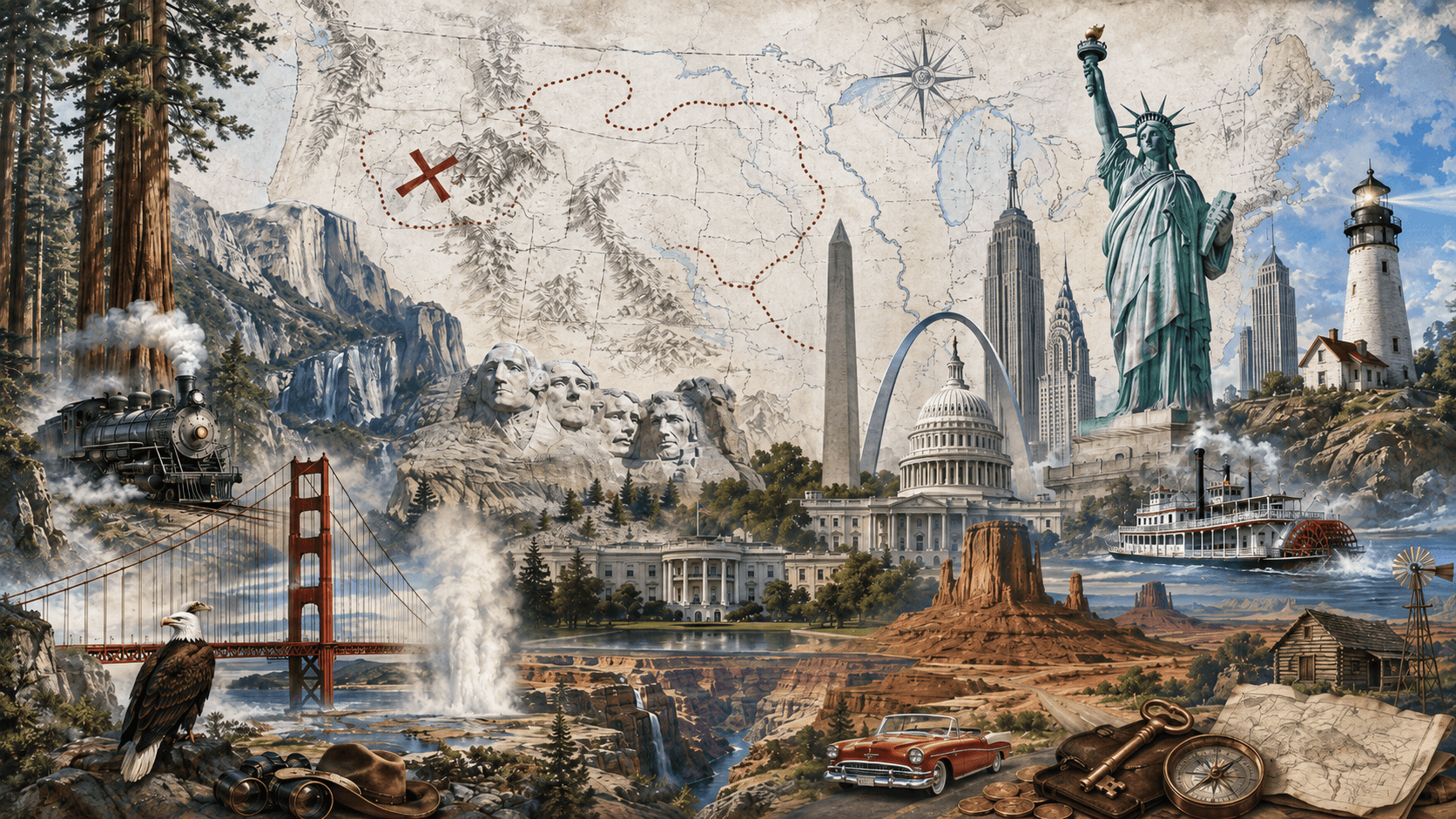
A redwood. A lighthouse. The last cypress at the bend. The clue does not say where, only enough that someone, somewhere, will know.
Every hunt opens with a cryptic poem. Vague enough to be a puzzle, exact enough to be solved. Geography, history, wordplay: the keys are all there if you can find them.
The next ground is still being prepared. Stay close. A new hunt opens soon.
We built this game because the best afternoons of our lives were spent looking for something. A trailhead. An old address. A friend in a crowded park. The act of searching, slowly, with a clue in your pocket, is one of the few things technology hasn't made worse.
Drop pins, draw radius rings, trace corridors of suspicion, peek down at street level. Your board is private. None of the other hunters can see it.
Spend a dig where you believe it's buried, remotely from the map or standing on the spot with your phone. A few free digs every day. A miss tells you nothing.
Cash or goods, claimed the moment the chest opens.